-
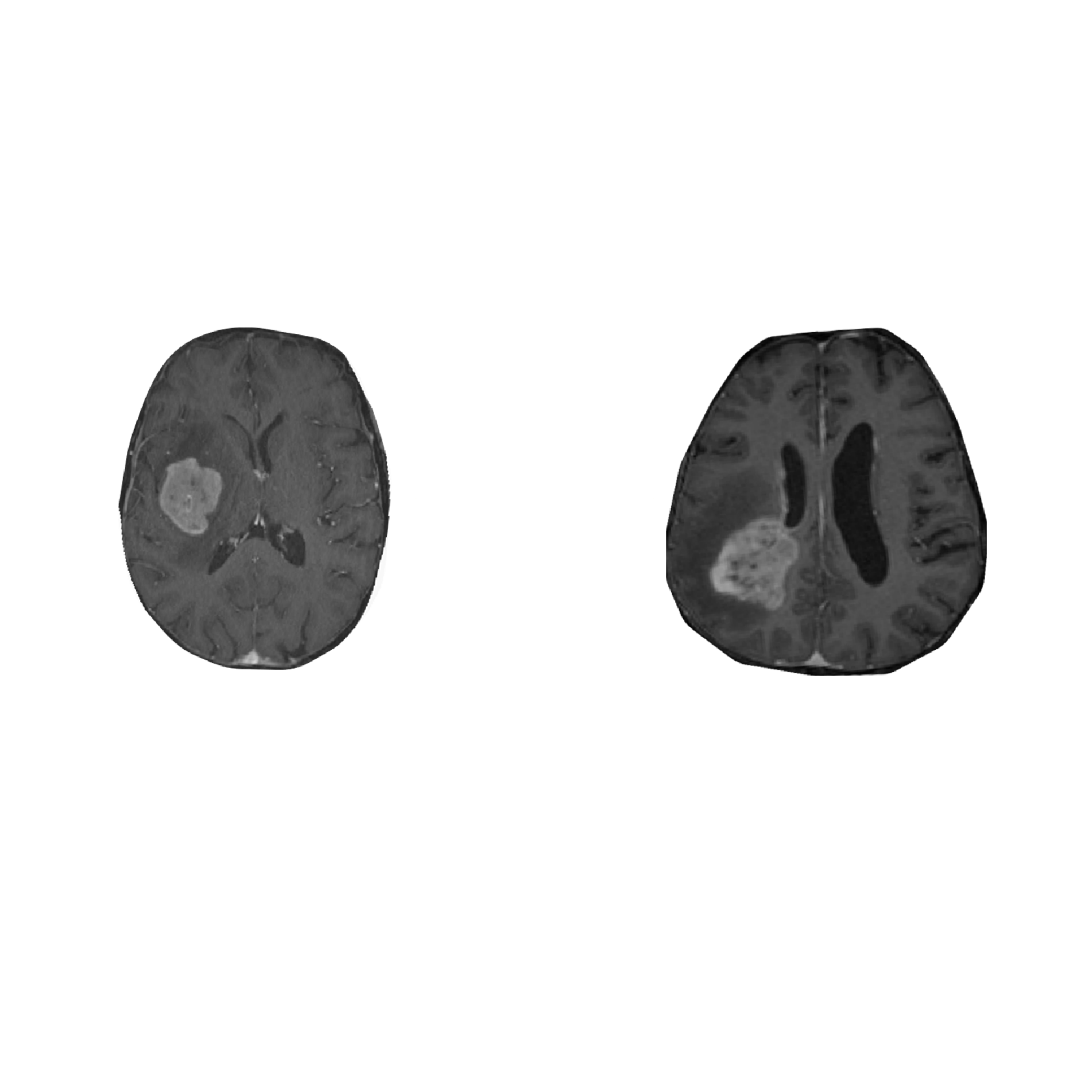
Development
Accurately discerning primary central nervous system lymphoma (PCNSL) from glioblastoma (GBM) on preoperative MRI is hard but crucial, because early steroid use can impair PCNSL biopsy yield and delay targeted therapy. In our iScience study, we trained a DenseNet169 model on a balanced cohort (68 PCNSL, 69 GBM) using only standard sequences (T1, T1-CE, T2,…
-

Validation
Building on the neural network (see development), the LINNDA project translated the concept into a clinically usable workflow. Instead of replacing clinicians, LINNDA positions AI as a tie-breaker: two clinicians independently assess the MRI, and only if their diagnoses differ does the CNN provide a decision. This simple rule mirrors real-world consensus processes while keeping full…
-

Application
The original model required a high-performance GPU and complex setup. We brought the same deep-learning workflow to ordinary laptops through a lightweight Docker package that runs entirely on CPUs, producing a full diagnostic report from standard MRI data within minutes. This page also hosts a growing Q&A section. Users are invited to share questions, feedback,…
What’s next ?
We are currently planning a multicentric validation study of our AI-based workflow. If you are interested in participating, feel free to contact us: